In B2B marketing, it’s easy to focus on digital channels—websites, email campaigns, paid media, and LinkedIn. But one of the most consistently overlooked (and highest-impact) assets is right in front of your building, inside your office, and across your physical footprint:
Your business signage and displays.
For companies that operate in the real world—office buildings, healthcare facilities, manufacturing sites, campuses, and retail environments—signage is not just functional. It’s a core part of your brand, customer experience, and revenue engine.
Your Most Consistent Brand Impression
Unlike digital ads or social posts, your signage is always on.
Exterior signs, lobby displays, and interior branding elements are seen by:
- Prospects visiting your office
- Clients and partners
- Employees and recruits
- Vendors and service providers
- Passersby who may become future customers
This makes signage one of the most consistent and repeated brand impressions you have.
And consistency builds trust.
Turning Physical Space into a Marketing Channel
Your physical environment is a marketing asset—if you treat it that way.
Strategic signage transforms space into a communication platform:
- Exterior business signage drives awareness and location recognition
- Window graphics promote offers and positioning
- Lobby signs reinforce credibility and set the vibe for visitors
- Wall graphics tell your story
- Wayfinding systems help visitors navigate with confidence and efficiency through your environment
In a B2B context, where deals are relationship-driven and high-value, these details matter more than most companies realize.
Trade Show Displays: Extending Your Digital Brand Into the Real World
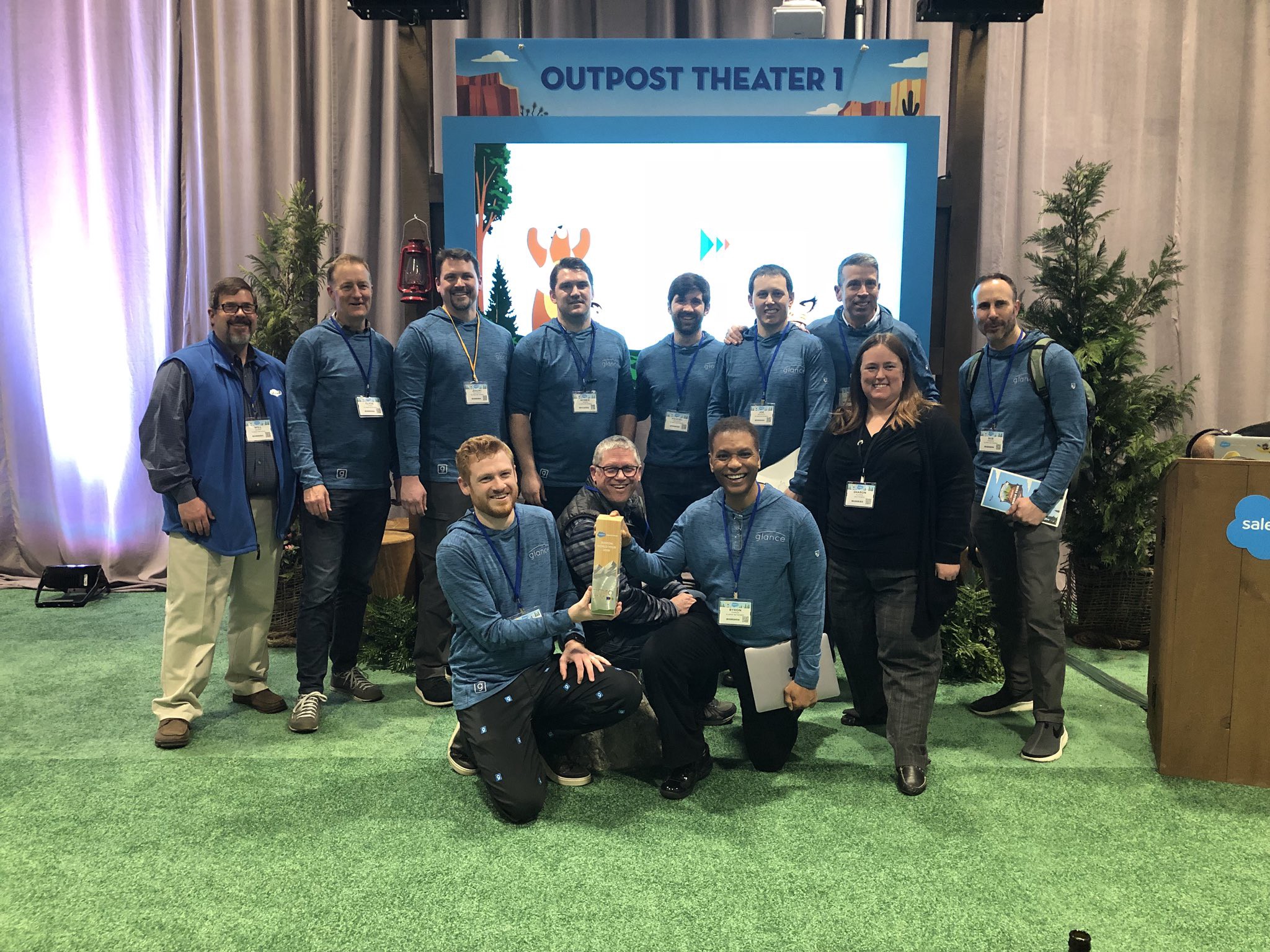
Trade shows and industry events are one of the most powerful ways B2B companies engage prospects face-to-face. But too often, there’s a disconnect between a company’s online brand and its physical presence at events.
That’s where strategic display design comes in.
A well-designed trade show presence—using backdrops, modular displays, retractable banners, and branded environments—ensures your messaging carries through seamlessly from your website and digital campaigns into the physical world.
Explore examples of event and trade show displays here.
When done right, trade show displays:
- Reinforce brand recognition from digital channels
- Attract attention in crowded exhibit halls
- Communicate value propositions quickly and clearly
- Create a professional, memorable experience for prospects
- Provide a compelling call-to-action that can convert a prospect to a customer
In many cases, your booth is your first in-person impression. It should feel like a natural extension of your website—not an afterthought.
Supporting the Buyer Journey—Offline and On
B2B buying journeys don’t happen exclusively online.
Prospects often:
- Visit your office
- Tour your facility
- Attend meetings or events
- Evaluate your environment as part of their decision-making
Your signage plays a subtle but powerful role at every step.
A well-branded, clearly organized space communicates:
- Competence
- Attention to detail
- Operational maturity
- Pride in your business
- Ways to engage with and buy products from your business
A poorly executed or inconsistent environment does the opposite.
Reinforcing Brand Positioning
Every B2B company wants to be seen a certain way:
- Innovative
- Premium
- Reliable
- Efficient
- Customer-focused
Signage helps make that positioning tangible.
Material choices, lighting, scale, typography, and placement all signal something about your brand.
For example:
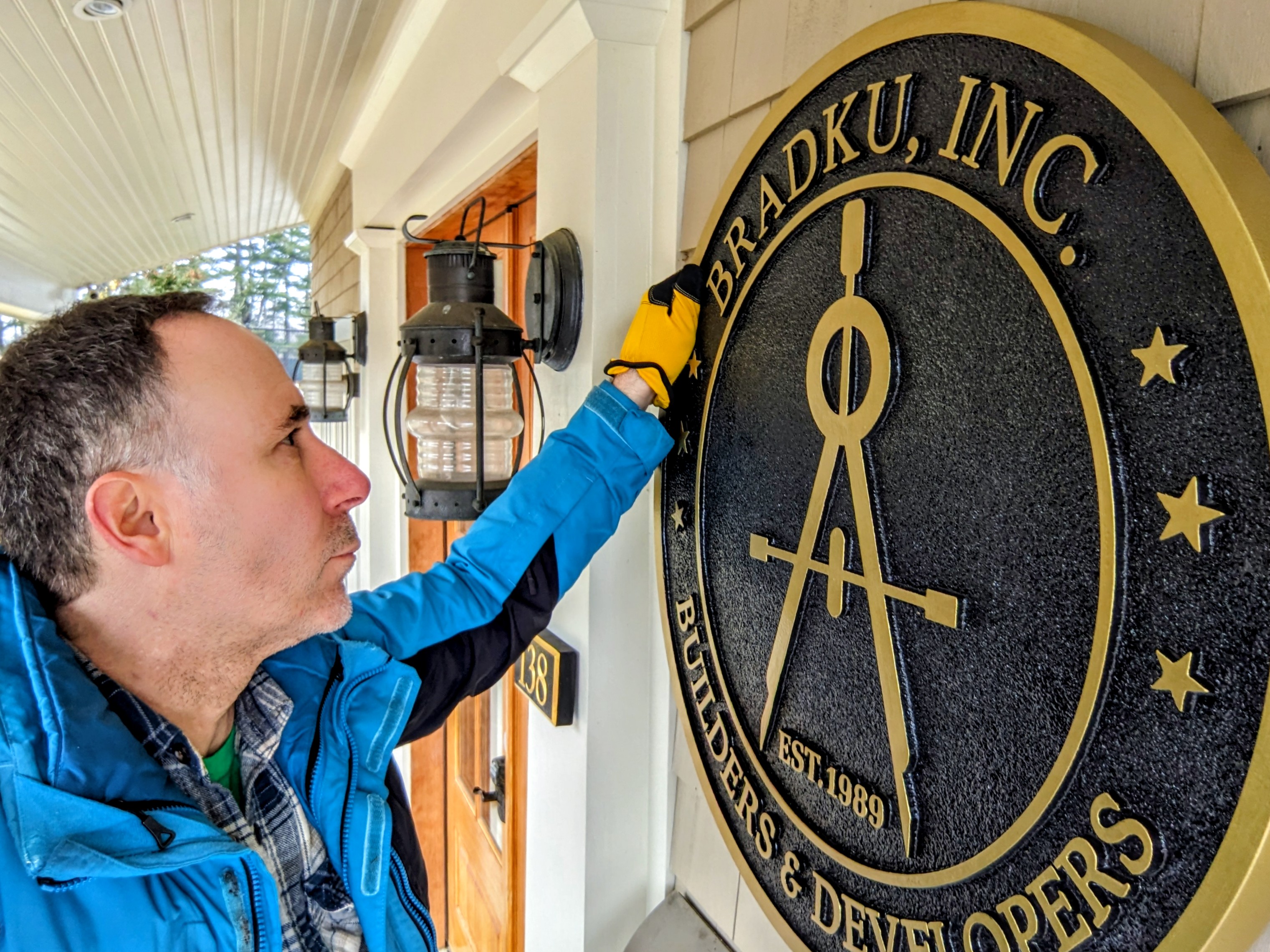
- Dimensional lettering and Channel letters for strong interior and exterior branding
- Monument and pylon signs for property identity
- Vinyl banners, foam board, and coroplast signs look good but are intended for temporary signs that might be used to promote a limited time offer or stand in for a permanent sign while it is being fabricated
Your physical brand should match your verbal and digital brand.
Reducing Friction in the Customer Experience
Good signage isn’t just about marketing—it’s about usability.
Clear, well-designed wayfinding systems:
- Help visitors navigate your space easily
- Reduce confusion and frustration
- Improve overall experience
In environments like healthcare facilities, campuses, or large office buildings, this is critical.
A smoother experience = a better impression = stronger relationships.
A High-ROI, Long-Term Asset
One of the biggest advantages of signage is its longevity.
Unlike paid media, which stops delivering the moment you stop spending, signage:
- Works 24/7
- Requires minimal ongoing investment
- Delivers impressions for years
When designed and fabricated properly, a sign becomes a long-term marketing asset that continues to generate value over time.
Integrating Signage into Your B2B Marketing Strategy
The key is to stop thinking of signage as a standalone purchase—and start treating it as part of your marketing strategy.
That means:
- Aligning signage with your brand positioning
- Designing for real-world performance
- Ensuring compliance and permit approvals from local municipalities
- Fabricating signs with quality workmanship and durability
- Executing flawless installations
When signage is integrated into your broader strategy, it amplifies everything else you’re doing.
Final Thought
In B2B marketing, the companies that win are the ones that manage every touchpoint with intention.
Your signage and displays are among the few assets that:
- people see in the real world
- interact with physically
- and remember long after a meeting ends
From your building exterior to your lobby to your trade show booth, these touchpoints shape perception in ways digital alone cannot.
It’s not just decoration.
It’s not just wayfinding.
It’s a strategic marketing tool—and one that deserves far more attention than it typically gets.
To learn more or book a no-obligations consulting engagement, visit the website of my sign-making company, Northshore Custom Signs & Graphics.